Resilience Therapy

/rĭ-zĭl′yəns/ n.

Bend. Don't break.


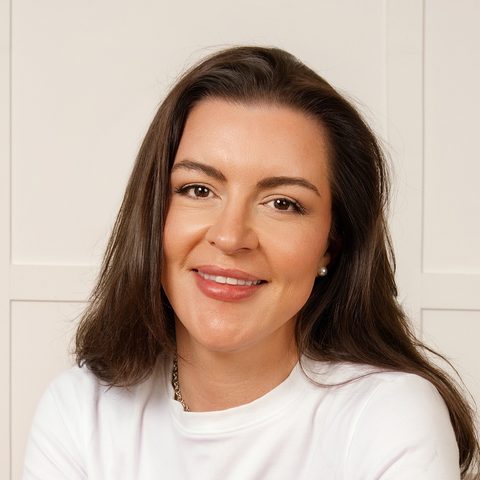
Sarah Willocks, psychotherapist specialising in addiction

I’m an accredited psychotherapist specialising in addiction, both substance and behavioural, and in supporting the families affected by it.

My understanding of addiction has been shaped by clinical practice, academic study, teaching, and personal experience. Over the past decade I have worked in specialist addiction services, including as a Senior Family Practitioner within the NHS, and have lectured in safeguarding at Master’s level.

Addiction is rarely just about substances or behaviours. It touches relationships, confidence, health, purpose, and the way people see themselves. It also affects the people who love them.

I know addiction from both sides: professionally and personally. That perspective shapes how I work and what I believe is possible. No matter how long someone has struggled, or how many times they have tried before, I believe people can change.


Are you struggling with addiction?

Most people think addiction is the problem.

Often it isn’t.

More often, addiction begins as a solution. A way of coping with anxiety, trauma, loneliness, grief, shame, stress, or simply the difficulties that come with being human.

The problem is that what starts as a solution can eventually become a source of suffering in its own right.

I work with people experiencing difficulties with alcohol, drugs, prescription medication, gambling, gaming, pornography, compulsive sexual behaviour, and other compulsive behaviours.

I also work with people who are still using.

Many services and therapists expect people to have already stopped before seeking support. I take a different view.

Change rarely begins with abstinence. It begins with understanding.

Understanding what the addiction is doing for you, what it is costing you, and what needs to change if life is going to look different.

You do not have to be ready to stop. You simply have to be willing to explore what is happening honestly.


Are you a family member or partner affected by someone else’s addiction?

Loving someone with an addiction can be exhausting.

You find yourself worrying about them, watching for signs, trying to help, trying not to help, wondering whether you’re doing too much or not enough.

Over time, many family members become so focused on the person they love that they lose sight of themselves.

The stress can affect sleep, mood, confidence, physical health, relationships, and every aspect of daily life.

You are not responsible for another person’s choices. But you do deserve support.

I work with partners, parents, adult children, siblings, and others affected by a loved one’s substance use or addictive behaviour.

Using evidence-based approaches, I help family members regain a sense of stability, clarity, and control in their own lives.

Therapy is not about changing your loved one. It is about helping you understand what is happening, protect your own wellbeing, and make decisions that are right for you.


How I work

My approach is integrative, meaning I draw from a range of evidence-based therapies depending on your needs.

These include Cognitive Behavioural Therapy (CBT), Motivational Interviewing, and the Transtheoretical Model of Change, alongside contemporary neuroscience and psychological theory.

Underpinning all of my work is a belief in personal agency and responsibility.

Not blame. Responsibility.

Many people carry experiences they did not choose and wounds they did not create. Therapy cannot change what has happened. What it can do is help you understand yourself more clearly and take control of what happens next.

I don’t see addiction as a disease that people are powerless over. That doesn’t mean I ignore the science — repeated substance use does change the brain. But those changes don’t take away a person’s ability to choose differently, grow, or recover.

My focus is helping people understand themselves, reconnect with their values, and develop the confidence and skills needed to move forward.

At the heart of that process is agency. Because recovery is not something that happens to people. It is something people participate in.

I will listen carefully. I will treat you with respect. I will not pretend difficult realities do not exist. I may challenge you at times, but always with compassion and honesty.

The aim is never dependence on therapy. The aim is to help you develop the insight, understanding, and practical tools needed to navigate life’s inevitable challenges without relying on substances or destructive coping strategies.

Sessions are online via Zoom. £80 per session.

I also hold a limited number of funded places for people who would otherwise be unable to access therapy. These places are offered on a waiting-list basis. If cost is a barrier, please feel free to ask.


If you need urgent help

If you are in immediate danger, call 999 or go to your nearest A&E.

Samaritans

116 123 — Free, 24/7
samaritans.org

Shout

Text SHOUT to 85258 — Free, 24/7
giveusashout.org

NHS 111

Call 111, select the mental health option — 24/7

Papyrus HopeLine

0300 102 2470 — Free, 24/7, under 35s
papyrus-uk.org

FRANK

0800 776600 — Free, 24/7
talktofrank.com

Narcotics Anonymous UK

0300 999 1212 — 10am–midnight daily
ukna.org

Families Anonymous

020 7498 4680 — 1–4pm and 6–9pm daily
famanon.org.uk

SMART Recovery

Free peer support groups for people affected by any addiction, and for their families and friends. Groups run online and face to face across the UK. No appointment needed.
smartrecovery.org.uk

ADFAM

A free national charity supporting families affected by a loved one’s drug, alcohol or gambling use. Provides information, an online forum, and a directory of local support groups.
adfam.org.uk


Get in touch

Taking the first step can be difficult.

Whether you are seeking support for yourself or because someone else’s addiction is affecting your life, you are welcome to get in touch.

An initial conversation costs nothing. We can discuss what is happening, what you are looking for, and whether I am the right person to help. I can also signpost you to other services or therapists if I am not the right fit.

Stopping or reducing some substances carries real medical risk. Ideally this is managed alongside a GP or medical professional. I know that isn’t always what people want, and we can talk about that before you commit to anything.

Phone 07492 321757
Sessions Online via Zoom